
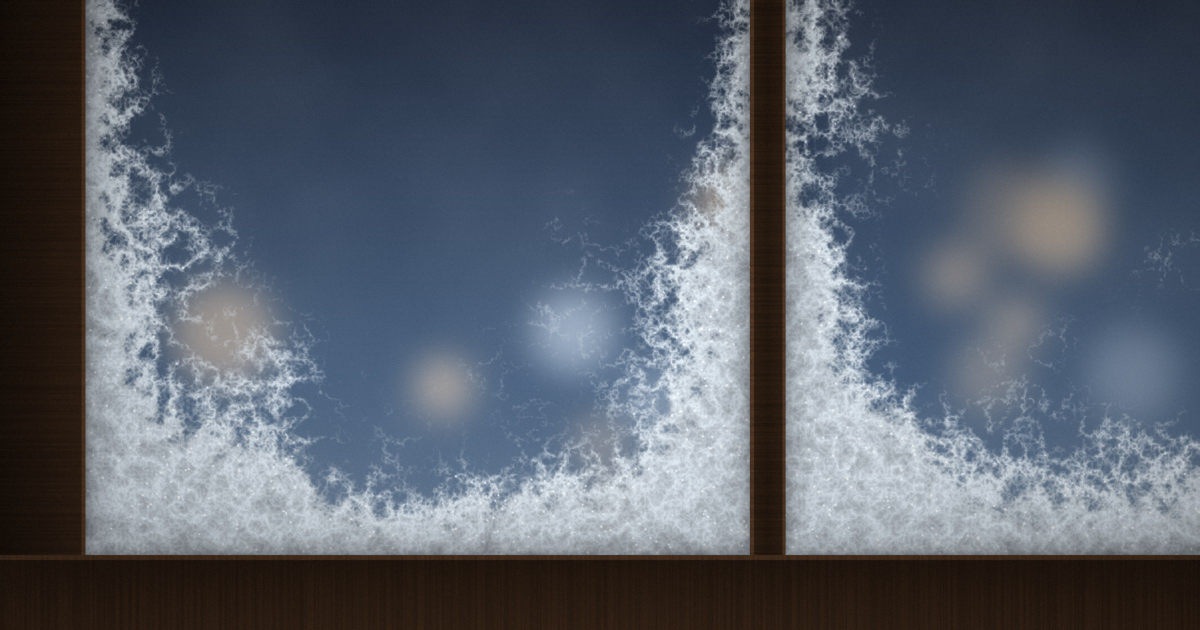
Why Are My Windows Frosting on the Inside? A North Dakota Guide
If you live in Bismarck, Fargo, or anywhere in North Dakota, you’ve probably woken up to frost on the inside of a window at least once this winter. It’s one of the most common questions we get — so here’s exactly what’s happening, how to tell whether it’s a humidity issue or a window issue, and what you can do about it.
What Causes Frost on the Inside of Windows?
Interior window frost comes down to two things meeting: moisture in your indoor air and a cold glass surface. When warm, humid air touches glass that’s cold enough, the moisture condenses — and if the glass is below freezing, that condensation turns to frost.
Every home has some indoor humidity from cooking, showers, laundry, and simply breathing. The colder the inside surface of your glass gets, the less humidity it takes to form frost. That’s why older or poorly insulated windows frost up first: their interior glass runs much colder than a modern, well-insulated unit.
Is It the Air or the Window?
A quick way to tell:
- Frost on the room-side surface of the glass (you can wipe it) is a combination of indoor humidity and a cold glass surface. Lowering humidity helps — but if it keeps happening, your glass is running too cold.
- Fog or frost trapped between the panes (you can’t wipe it off) means the insulated glass seal has failed. That window has lost its insulating gas and is no longer performing. Cleaning won’t fix it — the glass unit needs to be replaced.
- Ice building on the frame itself, especially on older aluminum frames, points to poor thermal performance in the window as a whole.
Why North Dakota Homes See It So Often
Our winters are the real test. When it’s −20°F outside, the inside surface of a single-pane or failing double-pane window can easily drop below freezing — so even normal indoor humidity frosts up. A modern, energy-efficient window keeps that interior glass surface far warmer, which is why newer windows in the same house often stay clear while the old ones frost.
How to Reduce Interior Window Condensation
If your windows are generally in good shape, you can cut down on condensation by managing indoor humidity:
- Run bathroom and kitchen exhaust fans during and after showers and cooking.
- Use your range hood, and crack a window briefly when it’s practical.
- Keep humidifiers in check — in deep cold, indoor humidity often needs to come down.
- Make sure warm air can reach the windows (open blinds, move furniture off vents).
- Address basement or crawlspace moisture, which raises humidity throughout the home.
These steps help when the window itself is sound. If you’re doing all of this and still getting frost, the window is the limiting factor.
When Frost Means It’s Time to Replace
Consider replacement when you see:
- Fog or frost between the panes — a failed seal can’t be repaired; the glass unit is done.
- Single-pane or old aluminum-framed windows that frost no matter what you do.
- Frost paired with drafts, sticking sashes, or rising heating bills — signs the whole unit is past its life.
- Frost that’s a yearly, every-cold-snap event rather than a rare brutal morning.
Modern replacement windows — especially triple-pane units with Low-E coatings and insulating gas fills — keep the interior glass surface warm enough that frost rarely forms in the first place. Fiberglass frames don’t conduct cold the way aluminum does, so the whole unit stays warmer and drier.
Frequently Asked Questions
Is frost on the inside of windows bad?
Occasional light condensation on an extreme cold morning is normal. But regular interior frost can lead to moisture damage on sills and frames, and it’s a strong sign your windows are running cold and losing efficiency. Frost between the panes always means a failed seal.
Can I fix foggy windows without replacing them?
If the fog is trapped between the panes, no — the insulated glass seal has failed and the glass unit needs to be replaced. Surface condensation you can wipe off is a humidity issue and can often be reduced.
Do new windows stop condensation completely?
They dramatically reduce it. High-performance windows keep the interior glass much warmer, so it takes far more humidity to form frost. Managing indoor humidity still helps, but you won’t be scraping ice off the glass every cold morning.
Does frost mean my windows are leaking heat?
Usually, yes. The same poor insulation that lets the glass get cold enough to frost is also letting heat escape — which is why frosting windows and higher heating bills tend to go together.
Tired of Scraping Frost Off Your Windows?
Our local Bismarck and Fargo team can tell you whether it’s a humidity fix or a window that’s past its prime — with a free, no-pressure in-home estimate.

Andrew Sletten | Co-Owner, Fargo Division
Andrew Sletten serves as Co-Owner of the Fargo divisions for both The Bathroom Store and The Window & Door Store. With a comprehensive background in home performance and aesthetics, Andrew is a driving force behind our commitment to quality in the Red River Valley. He focuses on streamlining the remodeling process, ensuring that every project—from a custom bath oasis to high-efficiency window replacements—is executed with precision and a “customer-first” mentality.